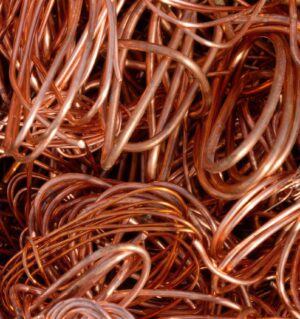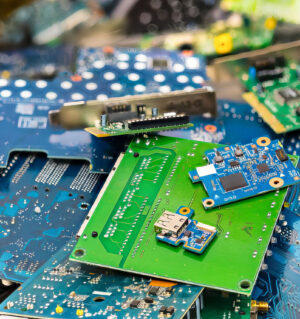

Did you know that every mobile phone contains about 1 gram of copper? This metal is everywhere — from wires and circuit boards to construction materials. Yet mining new copper ore consumes enormous energy and causes significant pollution. That’s why copper recycling has become an indispensable link in the circular economy.
1. Key Benefits of Recycling Copper
| Benefit | Main Impact |
|---|---|
| Resource Conservation | Recycled copper reduces the need for mining, protecting ecosystems and natural landscapes. |
| Energy Savings & Emissions Reduction | Producing recycled copper uses less than 15% of the energy required for smelting virgin ore, while drastically cutting greenhouse gases. |
| Pollution Reduction | Less mining means fewer tailings and acid wastewater, helping prevent soil, water, and air contamination. |
| Economic Efficiency | Recycling is far cheaper than producing primary copper, lowering costs for businesses and consumers. |
| Circular Economy Contribution | Recycled copper retains nearly all its properties, allowing for endless reuse in production cycles. |
| Job Creation & Social Value | Collection, sorting, and recycling activities generate jobs and raise community awareness of environmental protection. |
2. Current Status of Copper Recycling in Vietnam
- Recycling rates remain low at 20–30%, compared to over 50% in developed countries.
- Collection systems and processing technologies are inconsistent; modern equipment is scarce, and source-sorting is not widely adopted.
- Public awareness of waste separation and copper recycling is still limited, especially outside urban areas.
- Scrap prices fluctuate heavily, making it difficult for businesses to plan investments.
- Many small, outdated facilities create unfair competition and risk of environmental pollution.
3. Conclusion
Copper recycling not only conserves resources and reduces emissions but also creates economic value and supports a culture of sustainable consumption.
Boosting Vietnam’s copper recovery rate requires:
- Government – Improve legal frameworks and support advanced recycling technologies.
- Businesses – Invest in green production lines and ensure supply chain transparency.
- Communities – Practice waste sorting at the source.
Every kilogram of recycled copper today contributes to a greener future for the next generation.