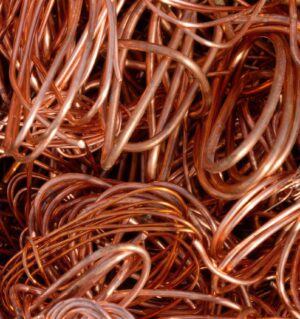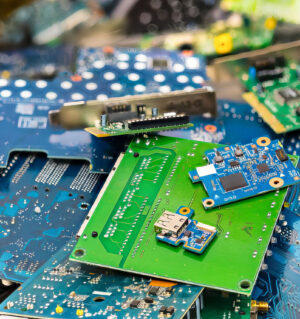

The success stories of the U.S., Japan, and Singapore show that scrap is no longer “waste” — it is a secondary raw material that delivers both economic and environmental value. In Vietnam, however, this “treasure” has yet to be fully unlocked. Below is the latest data and a suggested roadmap for building a modern recycling industry.
1. Scale of Waste & Enormous Savings Potential
- Ho Chi Minh City and Hanoi generate thousands of tons of waste daily, of which 50–70% is recyclable, yet only 10% is recovered.
- Plastic waste: HCMC alone landfills ~50,000 tons per year. Recycling this volume could save ~VND 15 billion annually in landfill costs, while reducing raw input costs for plastics manufacturers by ~30%.
- By 2030 (aligned with COP30), urban waste volume is projected to increase by 10% annually. Without recycling, hundreds of thousands of tons of secondary materials will be wasted each year.
2. Cost–Benefit Analysis
Category Current Situation Benefits of Recycling Waste treatment cost/ton ≈ VND 300,000 (landfill) 100% savings on landfill costs for recycled waste Price of virgin plastics Import-dependent; accounts for 60–70% of product cost Recycled plastics cut raw material costs by 30%, lowering product cost by ~15% Jobs & tax revenue Small-scale, outdated technology A nationwide recycling industry could generate hundreds of thousands of quality jobs and sustainable tax income (based on U.S. model) 3. International Lessons: Policy & Technology
- United States: Scrap Recycling Act incentivized investment in modern technologies. The sector now generates 460,000 jobs and USD 90.6 billion revenue/year.
- Japan: The Recycled Resources Promotion Act (1992) and Packaging Recycling Act (1997) mandated household source separation, supported by government subsidies for recyclers.
- Singapore & Thailand: Roadmaps aim to cut virgin material demand by 50–55% through tax incentives, R&D promotion, and transparent scrap auction platforms.
4. What Vietnam Needs to “Awaken” Recycling
- Complete Legal Framework: Issue technical standards for recycled plastics, metals, and paper; enforce meaningful Extended Producer Responsibility (EPR).
- Modern Technology: Invest in core-stripping machines, spectro-metal separation, and solvent re-distillation lines to achieve >98% purity — meeting global “green material” demands from FDI corporations.
- Smart Collection Ecosystem: Deploy QR-Trace to track scrap flows and provide transparent carbon data, critical for EU importers under CBAM (post-2026).
- Financial & Land Incentives: Tax relief for certified recycling facilities; dedicated industrial recycling clusters to avoid fragmented land allocation.
5. The Role of Private Enterprises
- Upstream–Downstream Linkages: Scrap collectors and recyclers (like Toan Cau BN) signing framework contracts with manufacturers to guarantee output for recycled materials.
- ESG Standardization: Adoption of ISO 14001 & 45001, with transparent reporting of CO₂ reductions — persuasive to green investors.
- Awareness & Education: Sharing success stories, running workshops in schools and industrial zones, and fostering a culture of proper waste sorting.
6. Conclusion & Recommendations
Scrap recycling is not just an environmental responsibility — it represents a multi-billion-dollar economic opportunity for Vietnam. With supportive policies and bold investment in new technologies, this “forgotten resource” can become a driver of sustainable growth.
Want to turn scrap into value?
Contact the Toan Cau BN team for turnkey solutions in scrap collection, dismantling, and recycling.

Toan Cau BN Launches Training Program on “Culture – Safety – Sustainability”