
1. What is Scrap Recycling?
Scrap recycling is the process of converting solid waste or materials with no further use into secondary raw materials for new production. Unlike reuse (using items in their original form), recycling requires mechanical, physical, or chemical processing to return materials to a form that can be re-manufactured.
2. Six Core Benefits of Recycling
| Benefit | Value Created |
|---|---|
| Reduced Landfill Costs | Lowers waste volume requiring disposal, saving landfill operations and local budgets. |
| Lower Greenhouse Gas Emissions | Producing recycled metals emits 60–95% less CO₂ compared to smelting virgin ores. |
| Energy Savings | Recycling aluminum, copper, and steel uses less than 25% of the energy required for mining and refining. |
| Natural Resource Conservation | Reduces exploitation of ores (metals), petroleum (plastics), and forest wood (paper). |
| Job Creation & Tax Revenue | Modern recycling creates entire value chains from collection to R&D of secondary materials. |
| Driving the Circular Economy & ESG | Helps businesses demonstrate environmental responsibility and comply with CBAM and EPR requirements. |
3. Recyclable Materials
- Paper & Cardboard: Cartons, newspapers, office paper.
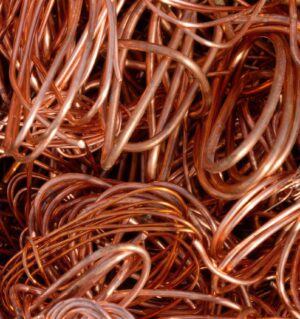
- Metals: Aluminum (cans), steel (food cans, scrap), copper (wires, components).
- Plastics: PET, HDPE, soft plastics (bags, films).
- Glass: Bottles, jars, fluorescent lamps.
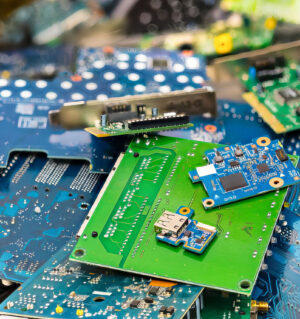
- Others: Wood & pallets, textiles & clothing, e-waste (computers, batteries, phones), organic waste (leaves, food scraps).
4. Standard 8-Step Recycling Process
- Collection & transport – from households, businesses, construction sites.
- Sorting – separating by material type to avoid contamination.
- Cleaning – removing oil, dust, or paint where necessary.
- Size reduction – shredding, crushing, or cutting for easier processing.
- Removing impurities – sieving, magnetic separation, water flotation to achieve >95% purity.
- Recycling – melting metals, blowing PET, de-inking paper, composting organics.
- Quality control – chemical and mechanical testing to meet industrial standards.
- Packaging & distribution – baling, jumbo bagging, and attaching QR codes for traceability.
5. Action Points for Businesses
- Set up on-site collection points: Four-color bins (paper, plastics, metals, others).
- Sign framework contracts with certified recyclers (ISO 14001 & 45001) such as Toan Cau BN to ensure transparent, stable outputs.
- Apply QR-Trace for recycled materials to demonstrate CO₂ reduction in ESG reporting.
- Register early for EPR (Extended Producer Responsibility) to avoid disruptions when fees become fully enforced.
Conclusion
Scrap recycling is not just about “taking out the trash.” It is a strategic way to cut costs, protect the environment, and strengthen brand reputation in the green supply chain. Starting today, turn your waste stream into secondary raw materials and stay ahead of the circular economy trend.
Need a turnkey scrap collection, dismantling & recycling solution?
The Toan Cau BN team is ready to provide free consultation and design a green process tailored to your business.